Tree Removal and Trimming
Tree Trimming Cost in Beaverton, Oregon: What Changes Your Estimate and How to Plan Your Budget
Understand the practical factors that influence tree trimming costs in Beaverton, from size and access to species care and debris handling, so you can plan confidently.
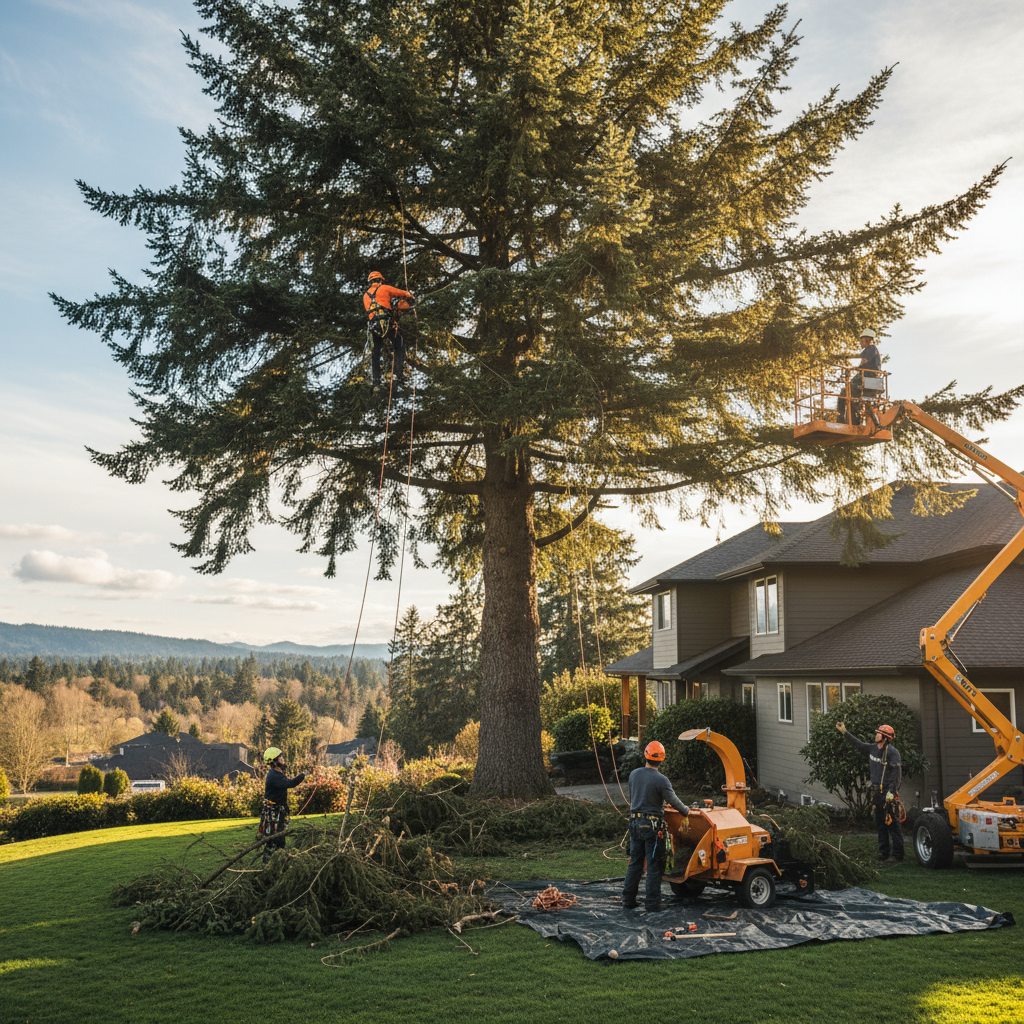
When you look at the mature Douglas fir shading your Beaverton driveway or the sprawling maple over your back patio, you know professional trimming will keep them healthy and safe. But planning your budget means understanding what you're actually paying for. Tree trimming cost in Beaverton, Oregon depends on several practical factors, each one tied to the work required to prune your tree safely, protect your property, and leave everything clean. Knowing these factors ahead of time helps you request accurate estimates and compare quotes with confidence.
Every tree is different, and every property presents its own considerations. A smaller ornamental tree with clear access may cost far less to trim than a tall fir with limbs over your roof or power lines. The crew's experience, the equipment needed, and how you want the debris handled all play a role. In this guide, we'll walk through the key elements that shape tree trimming estimates in Beaverton so you can approach the process with realistic expectations and a clear sense of what you're investing in.
Why Tree Trimming Costs Vary: The Key Factors That Shape Every Estimate
Unlike mowing a lawn or pressure washing a driveway, tree trimming isn't a flat-rate service. Each job requires a custom approach based on the tree's condition, your property layout, and your goals for the work. Professional tree trimming in Beaverton typically ranges from a few hundred dollars for small ornamental trees to several hundred or more for large conifers or complex situations, but the only way to get a reliable number is through an on-site assessment.
Several core factors influence what you'll pay. The tree's height and canopy size determine how much time and equipment the crew needs. Access matters because tight spaces, slopes, or obstacles require more careful planning and may limit equipment options. The tree species affects pruning techniques and timing. Proximity to structures, fences, or power lines adds complexity. And how you want the crew to handle debris, whether chipping and hauling or leaving wood for firewood, changes the scope of cleanup.
Understanding these variables helps you see that a higher quote often reflects more challenging work, not inflated pricing. A reputable crew will explain exactly what drives the cost for your specific tree and property.
Tree Size and Crown Spread: How Height and Canopy Width Affect Labor
The most obvious factor in tree trimming cost is size. A small ornamental tree under 20 feet may take an hour or two to prune properly, while a mature fir or oak towering 50 or 60 feet can require half a day or more of skilled work. Height determines whether the crew can work from the ground with pole saws and ladders or needs a bucket truck or climbers with ropes and rigging. According to the International Society of Arboriculture, larger trees require more specialized training and safety equipment, which naturally increases labor costs.
Crown spread matters just as much as height. A tall, narrow tree with a compact canopy is often faster to trim than a shorter tree with wide, heavy limbs spreading in every direction. A sprawling maple with branches over your deck, driveway, and neighbor's fence line requires careful planning to lower each section safely without damaging anything below. The crew may need to rig and rope down larger limbs one at a time rather than simply dropping them, adding time and precision to the job.
When you request a tree trimming estimate in Beaverton, expect the crew to assess both the tree's height and the reach of its canopy. They'll explain how those dimensions affect the equipment and techniques they'll use, which helps you understand the quote.
Access, Location, and Nearby Structures: Planning the Work Around Your Property
Even a moderately sized tree can become a more expensive project if access is limited or the tree sits close to your home, garage, or fences. A tree in an open front yard with room for trucks and chippers is straightforward. A tree tucked in a narrow side yard, behind a locked gate, or on a slope requires the crew to carry equipment by hand, work in tighter quarters, and take extra care with every cut.
Proximity to buildings and structures adds another layer of complexity. If the tree's canopy extends over your roof or wraps around power lines, the crew must plan each cut to avoid damaging shingles, siding, or creating a hazard. They may need to climb and carefully lower sections with ropes rather than letting them fall naturally. This controlled sectional trimming takes longer but protects your property and keeps everyone safe.
Power lines deserve special mention. If branches are touching or near electrical lines, the crew should assess whether the utility company needs to disconnect service temporarily or if the work can proceed safely around the lines. Never attempt to trim near power lines yourself. A licensed, insured crew like Forest Trunk knows how to work around these hazards or coordinate with the utility when needed.
Access and location challenges aren't reasons to skip trimming. They're simply factors the crew accounts for in time, equipment, and technique, which the estimate reflects honestly.
Species-Specific Care: Why Douglas Firs and Maples May Require Different Approaches
Different tree species have different growth habits, pruning needs, and ideal timing, all of which can influence the cost and approach. In Beaverton and surrounding western Portland communities, common species include Douglas firs, western red cedars, bigleaf maples, and ornamental fruit trees. Each benefits from pruning tailored to its natural form and health requirements.
Douglas firs and other conifers generally need less frequent trimming than deciduous trees, but when they do require work, removing dead or hazardous limbs from tall conifers can be labor-intensive. Firs shed interior needles naturally, and distinguishing between normal shedding and true deadwood requires experience. According to Oregon State University Extension, conifers should be pruned carefully to avoid removing too much green growth, which can stress the tree.
Maples, on the other hand, grow vigorously and may need more regular pruning to manage crown density, remove crossing branches, and maintain clearance from structures. Maples are best pruned in late summer or fall to minimize sap flow. Fruit trees benefit from annual pruning in late winter to improve structure, air circulation, and fruit production, but the detail work takes time.
A knowledgeable crew will explain how your tree's species affects the pruning plan and timing. They'll identify the right cuts to support health and structure rather than simply reducing size. This expertise may add to the cost compared to indiscriminate topping or shearing, but proper pruning protects your investment in the tree and avoids creating future problems.
Debris Handling and Cleanup: Chipping, Hauling, and Leaving Your Property Clean
Trimming generates debris, sometimes a lot of it, and how the crew handles that material affects your final cost. Most professional tree trimming services in Beaverton include cleanup as part of the job, but it's worth confirming exactly what that means. Standard cleanup typically includes chipping smaller branches, cutting larger limbs into manageable sections, hauling everything away, and raking up loose twigs and leaves from the work area.
If you want the crew to leave logs or rounds for firewood, let them know during the estimate. Cutting wood to firewood length adds time, but many property owners in the Pacific Northwest prefer to keep usable wood rather than have it hauled off. Make sure the crew knows where you'd like the wood stacked and whether you need it split or just sectioned.
Some quotes may separate debris hauling as an optional line item, especially for large trimming jobs that produce truckloads of material. Ask whether disposal fees or dump charges are included or additional. A transparent estimate will break out these costs clearly so you know what you're paying for.
Thorough cleanup is a hallmark of quality tree care. The crew should leave your property cleaner than they found it, with trimmed trees, removed debris, and no stray branches or sawdust scattered across your lawn or driveway. At Forest Trunk, complete cleanup is part of every job because we know a clean property reflects the care we put into the work.
How to Request an Accurate Tree Trimming Estimate in Beaverton
The best way to get an accurate tree trimming estimate is to invite a licensed crew to assess your property in person. Photos and phone descriptions help, but nothing replaces walking the site, examining the tree up close, and discussing your goals and concerns directly.
When you contact a tree service, be ready to describe the tree's location, approximate size, and any concerns like dead limbs, clearance issues, or damage from recent storms. Mention nearby structures, fences, or other landscaping the crew should protect. If access is limited or the tree is in a tight space, let them know so they can plan accordingly.
A reputable crew will offer a free, no-pressure assessment and provide an upfront quote before starting work. The estimate should clearly describe the scope, including which limbs or sections will be pruned, whether the tree will be shaped or simply cleaned of deadwood, and what cleanup entails. Don't hesitate to ask questions about timing, equipment, or why certain cuts are recommended. A professional crew will explain their plan in plain language and help you understand the value you're receiving.
Compare estimates based on the complete scope, not just the bottom-line number. A lower quote that skips cleanup, uses uninsured climbers, or plans to top the tree rather than prune it properly can cost you more in property damage, tree decline, or future corrective work.
Verify that the crew is licensed, bonded, and insured. In Oregon, tree service contractors should hold a valid Construction Contractors Board license. Forest Trunk is fully licensed (Oregon CCB #243545), bonded, and insured, giving you confidence that the work will be done safely and that your property is protected.
Plan Your Tree Trimming with Confidence
Understanding tree trimming cost in Beaverton, Oregon means looking beyond a single number to the factors that shape every estimate. Size and canopy spread, access and nearby structures, species-specific care, and debris handling all contribute to the time, skill, and equipment required to trim your tree safely and correctly. An honest quote reflects the real work involved and the protections in place to keep your property and the crew safe.
When you choose an experienced, licensed crew, you're investing in healthy trees, protected structures, and a clean property when the job is done. You're also gaining peace of mind that the work meets professional standards and that any issues are covered by proper insurance.
Forest Trunk is a family-owned tree service and property care company serving Beaverton and surrounding western Portland communities. Our licensed, bonded, and insured crew provides free assessments and upfront quotes, careful trimming that respects your tree's health and structure, and thorough cleanup that leaves your property looking its best. Whether you need seasonal pruning, clearance from buildings, or removal of storm-damaged limbs, we'll explain the process clearly and deliver dependable workmanship.
Ready to plan your tree trimming project? Contact Forest Trunk today at (971) 427-3129 or visit foresttrunk.com to request your free, no-pressure assessment. Describe your tree, your property layout, and your trimming goals, and we'll provide a clear estimate tailored to your needs. Let's keep your trees healthy, your property safe, and your budget on track.