
Stump Grinding and Lawn Restoration
Can You Plant Grass After Stump Grinding? How to Restore Your Lawn Before Winter
After stump grinding, you can grow healthy grass with the right soil prep. This guide walks you through fall seeding steps to restore your lawn before winter.
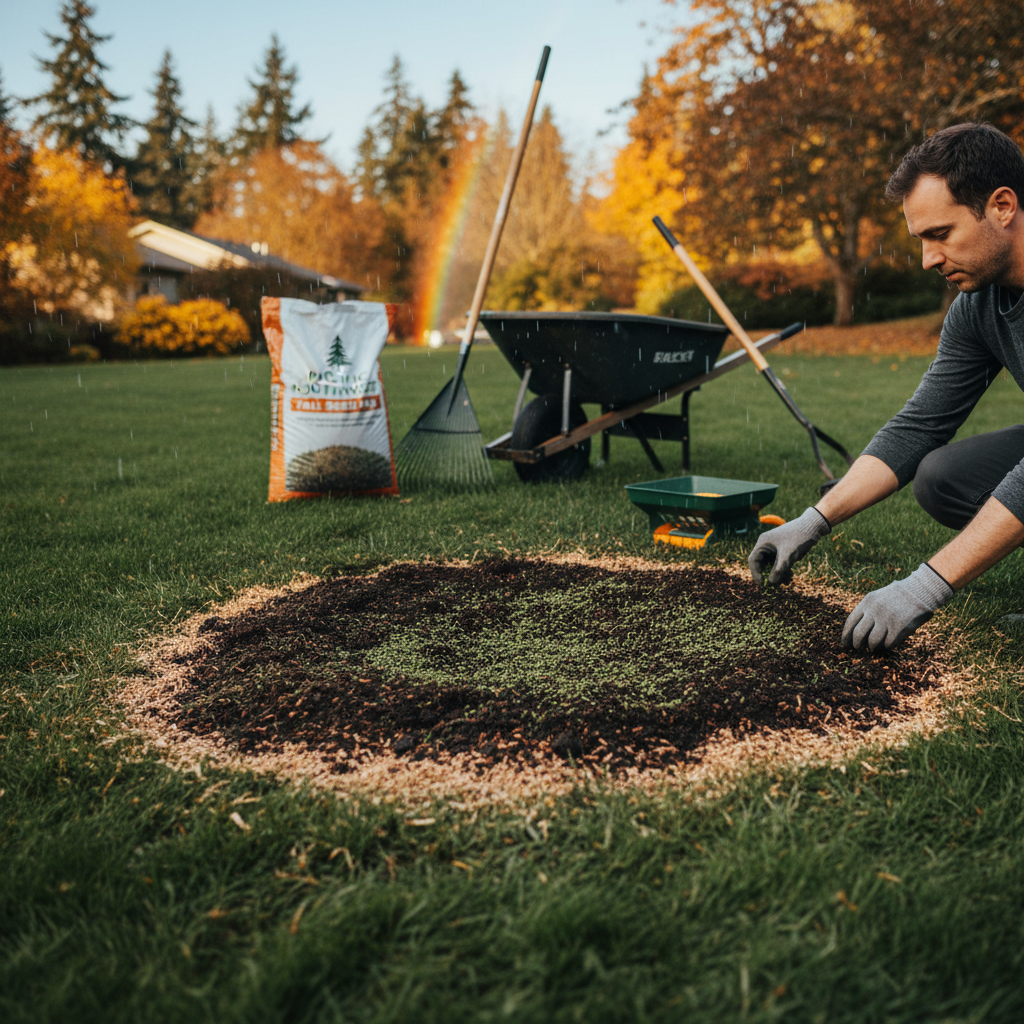
After removing an unwanted tree from your Beaverton property, you are left with a fresh stump-grinding crater in your lawn. The bare patch of wood chips and sawdust may not look promising for grass, and fall weather is moving in fast. Can you plant grass after stump grinding, and will it actually grow before the rainy season arrives?
The short answer is yes, you can successfully restore your lawn after stump grinding, and autumn is one of the best times to do it. With the right soil preparation, proper filling, and attention to Pacific Northwest timing, you can turn that empty spot into healthy turf before winter settles in. This guide walks you through the complete process, from clearing wood debris to selecting seed varieties that thrive in Oregon's cool, wet fall conditions.
The Challenge of Growing Grass Over a Ground Stump Site
Stump grinding removes the visible portion of the tree stump, typically grinding several inches below grade to leave the area level with the surrounding lawn. The grinder churns the wood into a pile of coarse chips and sawdust, but it does not extract the roots or magically fill the depression with soil ready for planting.
What remains is a bowl-shaped cavity filled with fresh wood debris. The depth and diameter depend on the original stump size. A large fir or maple can leave a hole two to three feet across and twelve to eighteen inches deep once you remove all the wood material. Grass seed dropped directly onto wood chips will not germinate, and roots cannot establish in pure sawdust.
The grinding process also leaves a network of dead roots beneath the surface. According to Oregon State University Extension, these roots will decompose gradually over several years. As they break down, they create air pockets and settle unevenly, which can cause your new grass to sink or develop low spots months after planting. Understanding these challenges helps you prepare properly rather than expecting instant results from seed scattered over wood chips.
Why Wood Chips Must Be Removed from the Planting Hole
The pile of grinding debris looks like it could serve as mulch or soil amendment, but leaving it in place creates serious problems for grass establishment. Fresh wood chips lock up nitrogen as they decompose. Soil microbes need nitrogen to break down woody material, so they pull available nitrogen from the surrounding earth. This leaves your grass seedlings starving for one of the nutrients they need most.
You will see the effects as yellowed, stunted grass that struggles to establish even with regular watering. The wood chips also create drainage problems. They repel water when dry and become waterlogged and compacted when saturated, neither of which supports healthy root growth. If you try to till chips into the existing soil, you dilute the topsoil and spread the nitrogen deficiency across a larger area.
The solution is straightforward but labor intensive. Rake or shovel out the wood chips from the grinding crater. You can spread a thin layer of chips in flower beds or use them as pathway mulch, where nitrogen tie-up does not harm plantings. Some property owners choose to haul the debris away. Either way, clearing the hole down to mineral soil or existing root mat is the necessary first step before adding anything new.
Soil Testing and Balancing Nitrogen Deficiencies
Once you have cleared the wood debris, examine the soil at the bottom of the crater. In many cases, you will find compacted subsoil, residual sawdust mixed with dirt, or exposed root surfaces. This material is not ideal for planting without amendment.
If you are working on an established lawn that you care for regularly, matching the new soil to your existing turf foundation helps the repair blend in over time. A simple at-home soil test or a sample sent to a local extension service can reveal pH and nutrient levels. Western Oregon soils tend toward acidic pH, and many lawns benefit from lime to bring pH closer to the 6.0 to 7.0 range that cool-season grasses prefer.
Adding nitrogen is particularly important after stump grinding. Even if you removed all visible wood chips, fine sawdust and decomposing root fragments will continue to immobilize nitrogen. Mixing a balanced starter fertilizer into the fill soil offsets this effect and gives new grass seedlings access to the nutrients they need during germination. Look for a product with a higher first number in the N-P-K ratio, which represents nitrogen content.
Organic options such as compost also improve soil structure, water retention, and microbial activity. Blending compost with topsoil creates a rich planting medium that supports root development and resists compaction. Avoid using pure compost to fill the entire hole, as it can settle significantly and create a depression as it breaks down.
Filling and Compacting the Area with Quality Topsoil
With the wood debris removed and soil amendments on hand, you are ready to fill the crater. Purchase quality topsoil from a reputable supplier, not generic fill dirt. Topsoil contains organic matter and a balanced texture that encourages root growth. Fill dirt is often heavy clay or sand and can leave you with poor drainage or instability.
Add the topsoil in layers, spreading four to six inches at a time. After each layer, tamp it down firmly with your feet or a hand tamper. This step is critical. If you dump all the soil in at once and skip compaction, the fill will settle dramatically after the first heavy rain, leaving a visible low spot in your lawn. Proper compaction mimics the density of the surrounding ground and reduces future settling.
Fill the hole until the soil sits slightly higher than the surrounding lawn grade, typically one to two inches above. This accounts for the natural settling that will occur as the soil consolidates and moisture cycles through it. If you are sodding rather than seeding, adjust the final height so the top of the sod will sit level with the existing grass once you lay it in place.
Rake the surface smooth and break up any clumps. The goal is a firm, even seedbed that makes good contact with grass seed. If the area is large or the soil is heavy, consider renting a lawn roller to achieve better compaction. Just avoid over-compacting to the point that water cannot infiltrate or roots cannot penetrate.
Seeding, Watering, and Late Autumn Germination Tips
Fall is an excellent time to plant grass seed in Oregon. Cooler air temperatures, warm soil, and predictable rainfall create ideal germination conditions. Seeding in September or early October gives grass time to establish before winter dormancy, and the young plants face less competition from weeds than they would in spring.
Select a seed blend that matches your existing lawn or is suited to your site conditions. Perennial ryegrass, tall fescue, and fine fescue are common cool-season grasses in western Portland landscapes. Perennial ryegrass germinates quickly and handles moderate foot traffic. Tall fescue tolerates sun and drought better than other cool-season types. Fine fescue thrives in shade and low-maintenance areas. Many property owners choose a blend that combines the strengths of multiple species.
Spread the seed evenly over the prepared area at the rate recommended on the package, typically three to five pounds per thousand square feet for new seeding. Lightly rake the seed into the top quarter inch of soil to ensure good seed-to-soil contact, which is necessary for germination. You can also cover the seeded area with a thin layer of straw or a seed blanket to retain moisture and protect against heavy rain or bird feeding.
Water is the single most important factor for germination success. Keep the top inch of soil consistently moist but not waterlogged. In dry autumn weather, this may mean watering lightly once or twice per day. Once seedlings emerge, usually within seven to fourteen days depending on the species, you can reduce frequency and water more deeply to encourage root growth. Pacific Northwest fall rains often take over watering duties by mid to late October, but monitor the forecast and supplement if you experience an unusually dry stretch.
Avoid walking on the new grass until it reaches mowing height, generally three inches for most cool-season blends. The first mow should remove no more than one third of the blade length, and keep mower blades sharp to avoid tearing tender shoots. Established grass heading into winter will green up vigorously in spring and fill in any remaining thin spots.
Frequently Asked Questions About Lawn Repair After Stump Grinding
How long after stump grinding can I plant grass?
You can plant grass as soon as you have removed the wood chips and prepared the soil, which can happen the same day or within a few days of grinding. There is no waiting period required. The key is clearing debris and filling with quality topsoil, not waiting for roots to decompose.
Will the ground sink after I fill the stump hole?
Some settling is normal, especially in the first year. Proper compaction during filling reduces the amount of settling. Over time, decomposing roots beneath the surface may create minor low spots. You can top-dress these areas with a thin layer of compost and overseed in fall to level them out.
Can I lay sod instead of seeding?
Yes, sod provides instant coverage and is less vulnerable to erosion or washout during heavy fall rains. The soil preparation steps are the same. Make sure the final grade allows the top of the sod to sit level with the surrounding lawn. Sod requires consistent watering for the first few weeks to encourage roots to knit into the underlying soil.
Should I add lime or fertilizer before planting grass?
Mixing a balanced starter fertilizer into the fill soil is a good practice, especially after stump grinding where decomposing wood can tie up nitrogen. Lime adjusts pH if your soil test shows acidity below the ideal range for grass. Avoid applying too much fertilizer, which can burn tender seedlings or encourage excessive top growth at the expense of roots.
What if I miss the fall planting window?
If winter arrives before you finish soil prep, wait until spring to seed. Grass seed planted too late in fall may not germinate before cold weather, leaving it vulnerable to washout or rot. You can fill the hole and cover it with straw or mulch over winter, then seed in March or April when soil temperatures rise above fifty degrees.
Restoring Your Turf Before Winter with Forest Trunk
A freshly ground stump site does not have to remain a bare patch through the rainy season. With careful debris removal, quality topsoil, proper compaction, and timely seeding, you can restore healthy grass before winter settles in over Beaverton and the surrounding western Portland area. The cooler temperatures and reliable fall moisture create excellent conditions for germination and establishment, giving your lawn a head start for lush spring growth.
Forest Trunk provides professional stump grinding and removal services that leave your property ready for the next step. The licensed, bonded, and insured crew grinds stumps below grade, clears debris, and discusses your restoration goals so you understand what to expect. Whether you are addressing one stump or several across your residential or commercial property, the team works carefully to protect surrounding landscaping and leaves the area cleaner than they found it.
If you are ready to remove an unwanted stump and restore your lawn before the heavy rains arrive, reach out to Forest Trunk for a free, no-pressure assessment. Describe the size and location of the stump, any nearby structures or plantings, and your address so the crew can confirm service coverage and provide an upfront quote. Contact Forest Trunk through foresttrunk.com or call (971) 427-3129 to schedule your visit and take the first step toward a complete, healthy lawn this fall.